
Laparoscopic Urology Surgery in Chembur, Mumbai – Dr. Gaurav Das
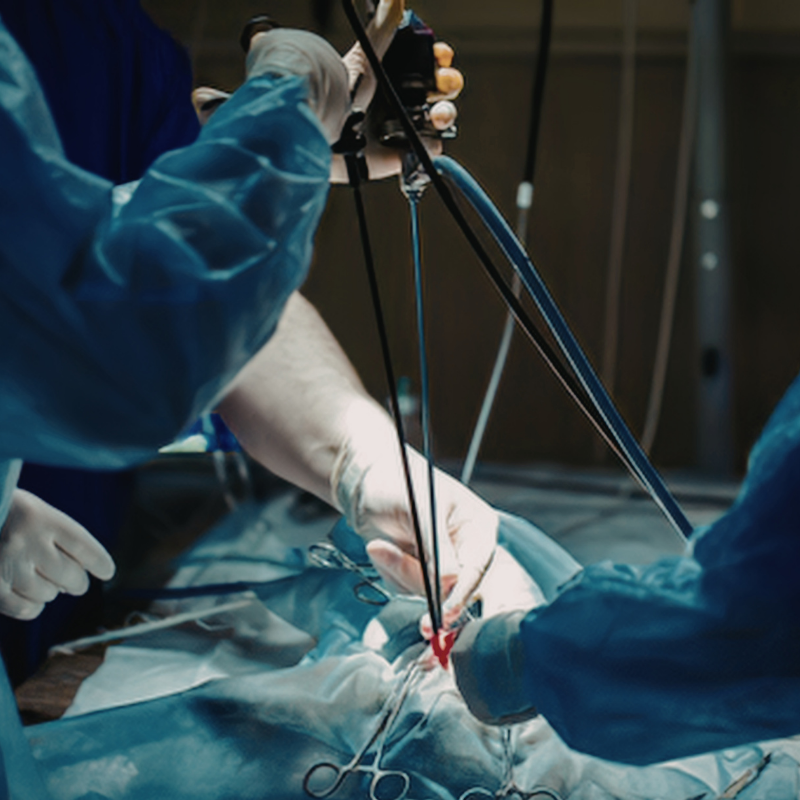
Laparoscopic urology is a minimally invasive surgical approach used to treat certain kidney, ureter, and urinary tract conditions through small incisions. Dr. Gaurav Das, Consultant Urologist in Chembur, Mumbai, provides evaluation and personalised surgical treatment for patients requiring laparoscopic urological procedures.
Treatment options include laparoscopic nephrectomy, laparoscopic pyeloplasty, and laparoscopic ureterolithotomy, depending on the patient's diagnosis and clinical needs. Compared with traditional open surgery, laparoscopic techniques may offer smaller incisions, reduced postoperative discomfort, shorter hospital stays, and faster recovery in suitable patients. The treatment approach focuses on surgical precision, patient safety, and restoring urinary tract function.
At Dr. Gaurav Das Multispeciality Hospital in Chembur, patients receive individualised laparoscopic urology care, including evaluation, surgical planning, and follow-up care to support recovery and long-term urinary health.
What Is Laparoscopic Urology Surgery and When Is It Recommended?
Laparoscopic urology is a minimally invasive surgical technique that uses a camera and specialised instruments inserted through small abdominal incisions to treat urinary tract conditions.
It may be recommended for selected kidney tumours, non-functioning kidneys, ureteropelvic junction (UPJ) obstruction, and complex ureteric stones. Common procedures include laparoscopic nephrectomy, pyeloplasty, and ureterolithotomy.
The suitability of laparoscopic surgery depends on the patient's condition, imaging findings, medical history, and overall health.
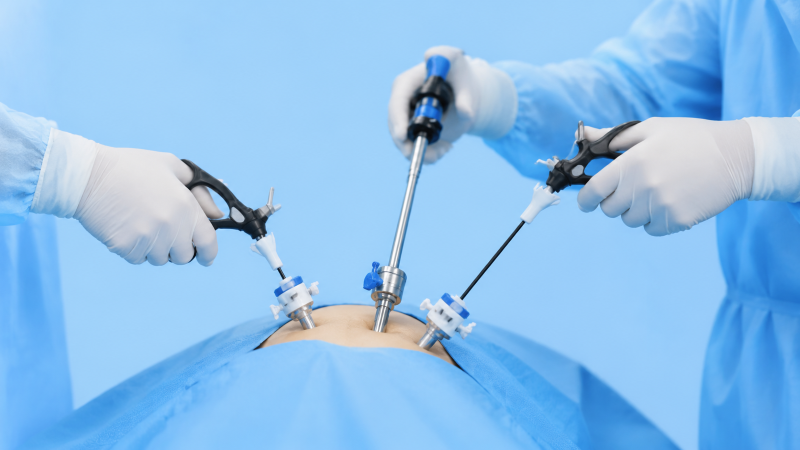
Laparoscopic Surgery
Laparoscopic surgery is a minimally invasive approach where specialized instruments and a high-definition camera are used through small incisions to perform complex urological procedures. It allows accurate surgical treatment while minimizing discomfort and improving recovery.
Best for:
- Kidney and ureter-related conditions
- Urinary tract reconstruction procedures
- Removal of diseased or damaged organs
- Conditions requiring minimally invasive surgical treatment
- Patients seeking faster recovery with minimal scarring
Laparoscopic Nephrectomy
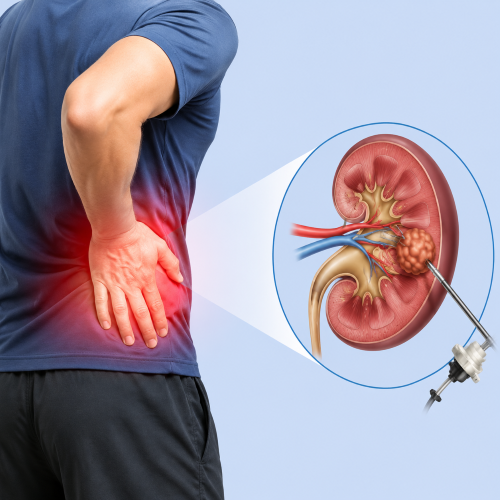
Laparoscopic Nephrectomy is a minimally invasive procedure used to remove a kidney through small keyhole incisions. The surgery is performed using a camera-guided approach, allowing precise removal of the affected kidney while reducing blood loss, pain, and recovery time.
Best for:
- Kidney tumours requiring surgical removal
- Non-functioning kidneys
- Severe kidney damage or infection
- Benign kidney conditions requiring removal
- Selected kidney donor procedures
Laparoscopic Pyeloplasty
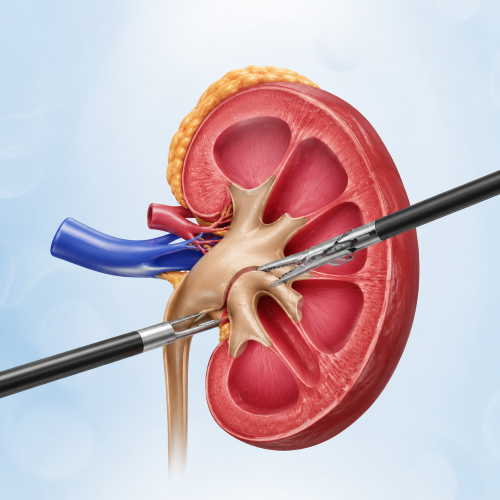
Laparoscopic Pyeloplasty is a reconstructive procedure performed to correct blockage at the junction between the kidney and ureter. The narrowed area is repaired to restore normal urine flow and prevent kidney damage caused by urine obstruction.
Best for:
- Ureteropelvic junction (UPJ) obstruction
- Hydronephrosis (swelling of the kidney)
- Reduced urine drainage from the kidney
- Recurrent flank pain due to obstruction
- Congenital narrowing of the urinary pathway
Laparoscopic Ureterolithotomy
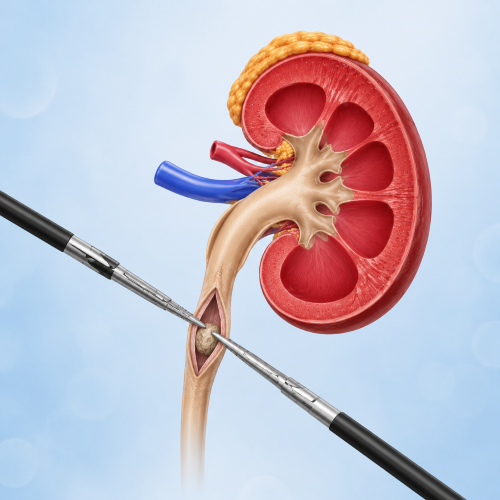
Laparoscopic Ureterolithotomy is a minimally invasive procedure used to remove large or complicated ureteric stones that may not be suitable for endoscopic stone treatments. The stone is removed through a small incision, helping restore normal urine flow.
Best for:
- Large ureteric stones
- Impacted ureter stones
- Stones causing urinary blockage
- Failed previous stone removal procedures
- Persistent pain due to obstructing stones
Why Choose Laparoscopic & Minimally Invasive Urological Procedures?
- Small keyhole incisions with minimal scarring
- Reduced pain and blood loss
- Faster recovery and shorter hospital stay
- Lower risk of wound complications
- Precise treatment using advanced technology
- Earlier return to daily activities
- Better preservation of surrounding tissues
Frequently Asked Questions About Laparoscopic Urology
Dr. Gaurav Das, Consultant Urologist in Chembur, Mumbai, provides laparoscopic surgical treatment for selected kidney, ureter, and urinary tract conditions, including nephrectomy, pyeloplasty, and ureterolithotomy.
Laparoscopic surgery uses smaller incisions than traditional open surgery. Potential benefits include reduced postoperative pain, less blood loss, smaller scars, shorter hospital stays, and faster recovery in suitable patients.
Laparoscopic nephrectomy is a minimally invasive procedure to remove a kidney through small incisions. It may be recommended for certain kidney tumours, severely damaged kidneys, or non-functioning kidneys.
Recovery depends on the procedure and individual health. Many patients resume light activities within one to two weeks, although complete recovery and return to strenuous activities may take several weeks.
No. Laparoscopic surgery is not appropriate for every patient. The decision depends on the diagnosis, condition severity, previous surgeries, imaging findings, and overall health. Open surgery or another treatment may be more appropriate in some cases.
Laparoscopic Urology Specialist in Chembur – Dr. Gaurav Das

Dr. Gaurav Das
Dr. Gaurav Das is a Consultant Urologist and Andrologist in Chembur, Mumbai, with qualifications including MBBS, MS (General Surgery), DNB (General Surgery), and MCh (Urology).
He provides evaluation and surgical treatment for kidney, ureter, and urinary tract conditions using minimally invasive urological techniques. His services include laparoscopic nephrectomy, laparoscopic pyeloplasty, and laparoscopic ureterolithotomy for appropriately selected patients.
Patients seeking laparoscopic urology surgery in Chembur can consult Dr. Gaurav Das for diagnosis, individualised surgical planning, and postoperative follow-up.
Consultation Location: Dr. Gaurav Das Multispeciality Hospital, Gagangiri Complex, 18th Road, Near Ambedkar Garden, Chembur, Mumbai – 400071.
Appointment: +91 90283 00262